Podcast Episode
August 12, 2026
Episode 8 | Crunchy Water Is Not Lunch

Show Notes
One attendee. One last-minute halal request. And one chef who turned a potential food-and-beverage scramble into the best hotel meal the guest had ever eaten. Because apparently feeding people at events requires more than ordering 400 identical boxed lunches and hoping for the best.
Jen Santos sits down with Tracy Stuckrath, founder and Chief Connecting Officer of Thrive Meetings and Events, to talk about the mayhem hiding inside event menus. What starts as a three-days-before-show dietary request becomes a much bigger conversation about food allergies, inclusive menu planning, surprise catering costs, wasted ketchup, lonely vegan appetizers, and why “they can just find something nearby” is not an actual event strategy.
Tracy shares how asking better registration questions, calling attendees directly, and designing menus around common dietary needs can improve the guest experience while reducing special meals, food waste, and unexpected expenses.
Top Takeaways from Tracy & Jen’s convo:
- Design for inclusion early. A thoughtfully planned menu costs less than 200 emergency meals and the apology tour that follows.
- Pick up the phone. “White bread and pork” may sound like a catering riddle, but a quick conversation can reveal what an attendee actually needs.
- Stop feeding the trash. Smaller condiment bowls, smarter attendance estimates, and flexible ingredients can save money without turning lunch into a sad apple and crunchy water situation.
Podcast Guest
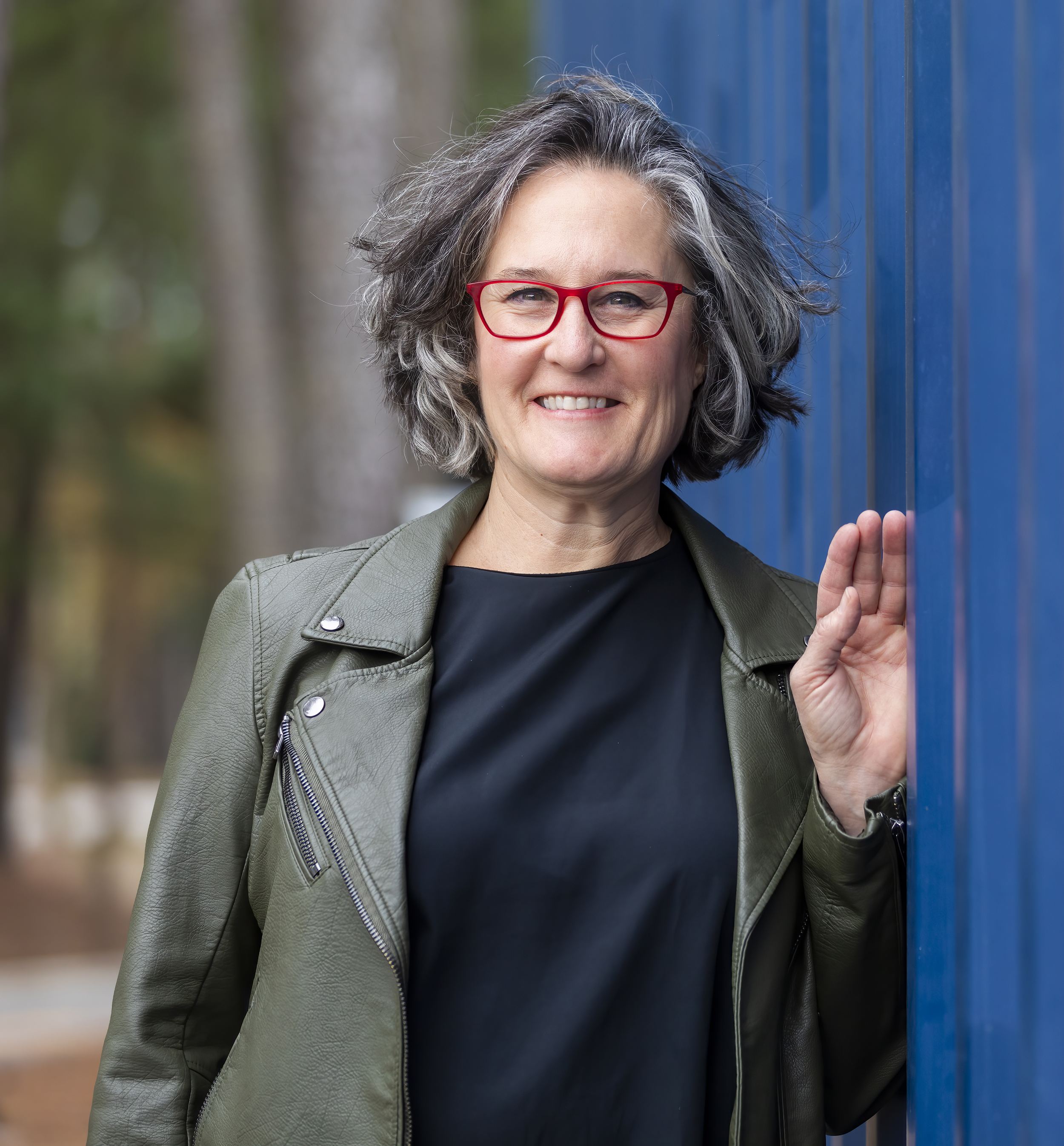
Tracy Stuckrath
Founder & CCO, thrive! meetings & Events
Tracy Stuckrath is the founder of thrive! meetings & events, host of the Eating at a Meeting podcast, and a leading expert on safe, inclusive food and beverage experiences. With 30+ years in event planning, she helps organizations worldwide reduce risk, strengthen inclusion, and boost the bottom line through F&B. She's co-authored two books, published 350+ podcast episodes, and been named a Top 25 Woman in the Meetings Industry.
Transcript
Episode Transcript
Tracy: Hey, I'm supposed to be here learning. I'm supposed to be here networking, building new business, you know, landing, you know, landing a new client, and I have to go eat somewhere else.
Jen: Yeah.
Tracy: And it's just, it's a shame.
Jen: Hey everyone, I'm Jen Santos, and this is Mayhem and Method, where event pros tell the real story of what happened and what it reveals about how events actually work. Hi everyone, and welcome back to another episode of Mayhem and Method. I'm Jen Santos, and today I'm here with Tracy Stuckrath, the founder and CCO of Thrive Meetings and Events. Thank you so much for being here with me today, Tracy.
Tracy: Thank you so much for having me, Jen. I appreciate it.
Jen: Yeah, I think this is going to be a great combination— conversation because you are all about food and food at events. And so I can't wait to hear some of your stories and just learn a ton from you. So I think this is going to be great.
Tracy: So I appreciate that.
Jen: What is one of your favorite venues to work in and why?
Tracy: One of my favorite venues. Wow. That's, that's kind of hard. I've been into a lot of venues in my 33, 33-plus years of being an event planner. My favorite hotel, I have to say, was the Four Seasons in Jackson Hole, Wyoming. Heated bathroom floors. when I was there. It was fantastic. But most recently, I have to say, I really like the JW Marriott Austin, and it probably has to do with the chef and the catering team there because they did a really fantastic job of helping me meet the dietary needs of my guests.
Jen: Yeah, that's so important. I think you're gonna bring a really great perspective to this call today, or this podcast today, and I'm excited about that. So just love to hear about a story that you have for me that you can share with my guests.
Tracy: I'm sure I have 5 zillion of them I can talk about mayhem. The one that I, that I've been most recently talking about actually happened at the JW Marriott. And a gentleman, an attendee, and I'm managing food and beverage for the client, so responsible for booking, ordering all the food and budgeting and etc. But 3 days before the event, he emails me and in the subject line it said halal. And in the body of the text, can you feed me? I'm flying from India. And I'm like, okay. So I went into the reg form and looked and he didn't identify himself as needing a diet, having a dietary need.
Jen: Hmm.
Tracy: And I emailed him back and I said, hey, I don't have this request from you in advance. And he's like, somebody else registered me.
Jen: Yep.
Tracy: And, but then I called the chef and the chef's like, here's my halal chicken certification. Here's what I can do. And he ended up meeting with him when he arrived.
Jen: Oh, wow.
Tracy: And my best thing is that he, the attendee, asked to meet with the chef the day he was leaving to thank him, to say that was the best hotel food he had ever had in his life.
Jen: Oh.
Tracy: So, I mean, and I have other mayhem stories, you know, that don't relate to food and beverage, but I think in that, I mean, it's not total mayhem, but it is what it shows, the different steps that we need to take to make sure that people are fed.
Jen: Yeah, yeah. I, somebody could take the opportunity to tell you some of the things that I've seen in reg forms.
Tracy: Sure.
Jen: And I would love to know like what you have done as an F&B person to handle those, because I, of course, I do reg and I read the form and I'm like, yeah, that's never gonna happen. So like, I had somebody that said that they only ate, what was it, like white bread and white bread and pork or something like that? Like, what do you do with like really kind of super, super, super duper restrictions?
Tracy: It's picking up the phone and calling them. And actually, I just worked an event where I was hired only to manage the food and beverage for the people with dietary restrictions. And we had 500 people with dietary restrictions.
Jen: Yeah.
Tracy: And some of the responses we got back, one guy said, well, I profusely vomit when I eat that, but I'm not anaphylactic to it. I'm like, dude.
Jen: Let's review the definition of anaphylactic, shall we?
Tracy: Right, yeah, that would be one of the 5, right? Ways to have an anaphylactic reaction. So it's picking up the telephone.
Jen: Yeah.
Tracy: And having a conversation. And it, what I really learned with, what I learn all the time with this is that we are all adults, we all manage our dietary needs differently. And even though, you know, in the EU, there's 14 foods that cause, you know, 90% of all allergic reactions, the 9, or that are required to be labeled, I should say. And here in the States, it's just 9 that are required to be labeled. But people have a lot, you know, they have different preferences, like the guy that eats pork and white bread, right?
Jen: Yes.
Tracy: And it's saying, okay, really? Help me, explain this to me, right? How can I help you eat while you're here? And I think that's the best way to get out of that mayhem versus like, dude, here's a bag of Wonder Bread and, you know, some bacon.
Jen: And some pork ribs. Yeah, knock yourself out. Right, yeah, exactly, yeah. So what happens then, like, from a budget? Like, I know, like, I'm gluten-free, right? And I— even something which I consider pretty innocuous in 2026, right? Pretty easy to, to solve for in the great scheme of things. And I'm really, really flexible about it. Like, if there's a little bit of wheat in my whatever, I'm not going to throw a fit about it, right? Like, I'm not, I'm not celiac.
Tracy: Okay.
Jen: I just get an upset stomach, which isn't great on sight, but it's also not the end of the world. There's no profuse vomiting going on there. So, but like, what is the budget impact of all of this? I'm super curious because every time I go to order a gluten-free meal, I get the, but it's really expensive. And I'm like, okay, but so is having me sick all day. So pick one.
Tracy: Right, exactly. And I think to reduce the mayhem, because I'm just going to keep bringing that word up, is to think about it from the very beginning. Design your menus so that they're free of. Yeah, right. So, and granted, you cannot have your entire menu free of the top 9 or the top 14 allergens. That's not possible, right?
Jen: Yeah.
Tracy: But you can design enough items that are free of those things. But one incident recently is that I was hired to manage food and beverage, and somebody had picked the menu, somebody else had picked the menus, and I went in and looked, 38 food items, 36 of them contained gluten, dairy, and soy.
Jen: Oh, yeah.
Tracy: So 200 of my attendees could not eat anything.
Jen: Yeah.
Tracy: Or could eat 2 items.
Jen: Yeah.
Tracy: And, and my client's like, well, that's not acceptable. I'm like, I thankfully, you, I agree with you, right? So what can you do? And that unfortunately, because I brought— got brought in at a later time, that added on to an additional cost. And, and actually, A guest on my podcast earlier this year, I believe it was. She's she was at a conference on the planning committee, and the attend the the committee did not ask about dietary needs in advance, and they had so many they added a $200,000 bill onto them at the end because they had to accommodate so many people. So it makes sense. to ask the questions and design your menus around the dietary needs. It's just, it helps reduce costs. It helps create an inclusive experience and reduces the number of personalized plates that we, you know, we all sit there and wait for it 20 minutes after everyone else has gotten a plate.
Jen: Totally.
Tracy: Yeah.
Jen: Yeah, yeah, yeah. Yeah, I have an event that I work on pretty regularly and I go, go to it now knowing that they're not gonna be able to feed me, right? The crew food is not going to work for me. So like, I go to have breakfast, I can have a banana, right? Because they do like, it's all like breakfast sandwiches the whole time, right? I'll go through for lunch and it's all like burritos. And then there's like lettuce, which I honestly just call crunchy water, right?
Tracy: Right.
Jen: There's lettuce and that, that's all I can have for lunch and a cup of iced tea. And so I end up spending hundreds of dollars to buy food that I get, that I have to expense back to the client that not only takes me time, right? So now I have to leave the venue, I have to go find someplace to go eat, which may or may not be close, right? And then I have that extra bill that I'm rebilling back to my clients. And, you know, at least I'm lucky enough I'm not an attendee, so I don't have to pay for it out of pocket per se. But it's not cost efficient for our clients to do this either.
Tracy: Right. And what if you get that client, well, no, I'm feeding you. Well, no, you're not feeding me. Yeah, right.
Jen: Yeah.
Tracy: I'm like, You literally are not feeding me. You wanna kill me.
Jen: Right.
Tracy: And make me not work if you don't feed me. So yes, you're gonna expense this and yes, you're gonna pay for it.
Jen: Yeah.
Tracy: And that, I don't think people think through that whole process when they're thinking about the food and beverage. And there's so many menus, like even thinking of like appetizers, right? And have you thought through hotel and convention center staff Have you thought through or refor— let's see, reformatted your menus by dietary need to see what options that you have that meet different needs? And that's what I do, especially, you know, on catering menus now, everybody's doing a day of the week meal, right? Like Monday you get this and Tuesday. I filter it and I go, okay, the gluten-free people can have this. The gluten-free, dairy-free people can have like one item.
Jen: Yeah.
Tracy: and vegan, vegetarian, based on our dietary needs. And it's amazing how they haven't thought through it.
Jen: Really?
Tracy: And yeah, and it's, and even on appetizers, that one blows my mind. I'm like, you have one vegan appetizer and I'm here for 4 days and my vegans are gonna eat the same thing over and over again?
Jen: Yeah.
Tracy: No, that's not good. Come up with something else.
Jen: Yep. I love the fact that you're able to kind of go through all these menus and say, okay, so my vegan people, they're gonna have to use, eat the same appetizer 4 days in a row? Can we do something about this? So for a venue and an amazing food planner like yourself that goes through and thinks about all these things, then does that mean that the costs are significantly reduced because they're not doing special plating for certain audiences?
Tracy: It could potentially be less expensive because they might have to bring in extra staff to do those plates, right?
Jen: Right.
Tracy: and they might have to bring in extra staff to serve them.
Jen: Yeah.
Tracy: One of my guests on Eating at a Meeting during May, Food Allergy Awareness Month, Jay Varga out of the JDK Group in Pennsylvania, he said, and I thought this was awesome, is like, if I have any personalized plates that are being made, I have one person that manages those, and I have one server, that serves them, because then that— there's no cross-contact of the gloves or miscommunication of what's being served to whom. And I love that because it reduces his risk and it provides a better experience. And so—
Jen: Yeah.
Tracy: That extra person, that expediter, that chef, whatever, might cause— actually add on. But at the same time, I'm hoping that our catering partners are also thinking through the menu design so that it is reducing the number of items that need to be served that way. And, and thinking through how it's going to be presented, how it's going to be, you know, served, etc.
Jen: Yeah, that makes sense to me. Yeah, I know I had an event series that I worked on for a long time and like the first year the food was a little like Jen has to get a separate plate every single meal. But like literally like year 2 of the same event, they had restructured the entire crew food. It was the best crew food I've ever eaten in my entire life, but they had restructured it all so that it was basically almost like, like a lot of almost like it was buffet style, but like all individual ingredients almost. So you were doing, think like, um, a build your own. Yeah, like a build your own. And like, what are the, the big trays? No, the big like trays that we're doing these days, the things are on trend on TikTok right now with cheeses and—
Tracy: Oh, charcuterie board.
Jen: Like, it was like that sort of thing. And so you would just kind of go through and you would be able to pick all that out. And then they also had like an extra carving station. This is for crew. It was amazing. It was the best place ever. And they had like a carving station. They have a couple of the things like that. But that way, like I didn't have to ask for a special meal that entire, it was a week-long event and I didn't have to ask for a single special meal, which I thought was amazing. Nor did anybody of the crew.
Tracy: That's nice. And now it makes it easier. Just going back to what you said, hey, I have to leave the hotel. I have to find a place that might actually have something that's gluten-free and bring it back. And then it's an added expense.
Jen: Yep, exactly.
Tracy: It's really, it takes both sides. It takes the culinary side and it takes the event manager at the venue as well as the event manager booking the space to be able to really communicate and think through This.
Jen: Yeah.
Tracy: I just thought of one mayhem thing.
Jen: Yeah, please.
Tracy: So I worked an event in Centennial Olympic Park. Oh my gosh, this is probably 10 years ago at least. And we were feeding 15,000 people and we had 6 different tents, but 2 were dedicated. One was dedicated to halal and kosher and one was dedicated to gluten-free and some other things. They were empty. Everyone else was standing in, everybody was standing in the other lines. And all we needed to do was to potentially remove butter from 2 of the dishes. And we could have used that 5th tent to bring in all those people. And the mayhem was me running around giving people beer and wine and water while they're standing in line saying, just be patient, just be patient. You'll get into the buffet, you know?
Jen: Oh, man.
Tracy: And so That to me was mayhem in my head at the time.
Jen: Yeah.
Tracy: I'm trying to execute. Right. And all we needed to do was remove butter. Oh, we could have.
Jen: Such an easy thing. Yeah.
Tracy: Right. Yeah.
Jen: So had it been thought through at the beginning. Right. But after the sauce is made, right, everything's out the window.
Tracy: Yeah, exactly.
Jen: So, so do you find differences regionally, um, about like different parts of the country that maybe the West Coast handles things different than the East Coast and the South and the Midwest, like in terms of what they, consider normal to accommodate versus not? Like, do you find difference, regional differences that way?
Tracy: I find regional differences in just the way they, they prepare the food. Like in California and the West Coast, you're gonna get, to me, more scratch kitchen kind of fresh ingredients things versus the South and the Northeast, maybe, maybe a lot more fried or Southern. And, and the thing is, is the hidden ingredients, right? And, and actually I'm, analyzing a menu for a friend who's got a catering business, and he's like, here's the allergens, and here's— and I'm like, gimme all the ingredients of your recipes. And he's got Worcestershire sauce.
Jen: Oh.
Tracy: And it's barbecue.
Jen: Yeah.
Tracy: And there's one person, or one or 3 people that are allergic to seafood. So they can't have his barbecue because he's got Worcestershire sauce in it.
Jen: Yeah.
Tracy: So right now they're left with coleslaw, right? So I'm like, okay, so can we, Can you change it to a vegan Worcestershire sauce just for this event? Or, you know, so it's, I think it depends on where you are. But I, and actually I did an event in Phoenix a couple weeks ago, and that chef, I felt like she got annoyed with me asking the questions about dietary restrictions, right?
Jen: Mm-hmm.
Tracy: Because she comes to find out is very scratch kitchen. And so she knew all the ingredients in her food and she could go make something on the fly. And not that other chefs can't go make something on the fly, But she, she took it seriously already, and that wasn't really totally communicated in advance. So I didn't, I, I didn't know that when I was asking her her questions. So.
Jen: Yeah, she's like, no, lady, I already got this. Leave me alone.
Tracy: Right, exactly.
Jen: Yeah, exactly. So yeah, I know I was talking about when I was on site a while back about being gluten-free, and one of my colleagues was like, yeah, I had a friend of mine and she's having really bad She's also gluten-free, she's celiac actually, and she's having really bad allergic reactions, but there wasn't wheat to be found anywhere. And then she goes to find out that the butter that she's using, they were using wheat to like, it's like filler to make the butter go further.
Tracy: Wow.
Jen: Yeah.
Tracy: Wow. I mean, I know they do that to eggs, scrambled eggs.
Jen: Yeah, and they do it to ice cream too. Like apparently if you buy gluten-free ice cream, which I love my ice cream and do not tell me it has wheat in it, But, um, even if it does, but, um, but like I have, but like I go over to a friend's house and she's really, really careful about being gluten-free and she has to pull out a separate tub of ice cream for me. And I'm like, this is unbelievable.
Tracy: That is unbelievable. I know that like IHOP uses their pancake batter in their scrambled eggs. Like, so you have to specifically ask for the scrambled eggs without the pancake batter. But, but I do know that Gluten-free eggs, please. Right, can I have gluten-free eggs? But some chefs, because they, they put the li— they use the liquid egg, they will put wheat in it, flour in it to expand it and make it go longer. And of course the dairy part.
Jen: Right.
Tracy: Adding more liquid to it so it lasts longer, or makes more, I should say. Yeah.
Jen: Well, I always add dairy to my eggs because it just makes 'em creamier and better.
Tracy: Right.
Jen: Like, why would you not?
Tracy: Well, they, unfortunately some people can't—
Jen: If you can.
Tracy: Yes, exactly.
Jen: Yeah, exactly. Exactly. Yeah.
Tracy: So it's so many— there's, there's so many nuances to it, right? And we throw cheese on everything, right? And so, and that's where my gluten-free, dairy-free people have a challenge is because we do throw cheese— I think the whole world throws cheese on everything.
Jen: Yeah.
Tracy: But I was actually at a park a couple of weeks ago and I met a woman and her son who had food allergies and we were standing in line to get our meal. at this park, and her son is allergic to soy. And she— they're from Scotland, and she was surprised by how much soy is in the food here in the US.
Jen: Yeah.
Tracy: And that he couldn't eat. And I actually had some Red Plate cookies and 88 Acre bars, which are free of the top 9. And I'm like, here, take these. And he and his brother were like blown away.
Jen: They're like, thank you so much. Yeah.
Tracy: Yeah.
Jen: Yeah. So yeah, I was reading that the Norwegian World Cup team, like, they brought most of their own food.
Tracy: Really?
Jen: Because they— yeah, because they don't— they didn't trust the food in the US to kind of meet their standards, which I thought, okay, like, A, like, props to them, right? And B, it's like, holy cow, that's what people think of the food in the States. Okay, here we are.
Tracy: But on the other side, people were going to, um, not— what is that place that has 36-page menu? Um, and talking Cheesecake Factory and like blown away by the Cheesecake Factory and the size of our meals.
Jen: And deep fried Oreos and everything. Like all the memes I was seeing on Instagram were just like cracking me up. It was, yeah, our food is something else. Really, really something else.
Tracy: It really is.
Jen: Yes. Yeah. Yeah. So for these, for our, our white bread and pork people, right? And you go and you give them a call. Is that something that you find that your clients are willing to accommodate if the need is known ahead of time, or do you ever run into clients that are like, yeah, no, they can just run out to McDonald's, I don't really care?
Tracy: I know of people that say, yeah, no, they can go get their own food, but, um, the people that I work for thankfully are thinking forward and being proactive about it and really saying, hey, I wanna make sure we've got food for them.
Jen: Yeah.
Tracy: Um, so I am, And I do know of people that are like, nope, we don't wanna manage this. And actually, years ago, I was doing a presentation with Tyra Warner, and an association planner said, hey, one of our guests or somebody is allergic to pepper. And my executive director's, their executive director's like, well, no, that's not really true. You can't be allergic to pepper, and we're not gonna accommodate it. And I'm like, okay, Ms. Lawyer here, Tyra, talk about the legal implications about that, right, of not accommodating them. And then me, I'm like, does that member's money, register, or membership fee matter to you? Does their conference registration fee matter to you? Does it financially matter to you that this person is there? And what if they're on your board or whatever? And she's like, yeah. And I'm like, then why wouldn't you accommodate them?
Jen: Mm-hmm.
Tracy: I'm like, you're gonna bring a greater value to your association and to that person who's then going to say, hey, XYZ association fed me well, and I'm gonna— and they might not even say that out loud to other people, but they're gonna promote you because you did that, and they're gonna continue to be a member because you did that.
Jen: Yeah, it's like your guest from India, right, where the chef went, did all this extra work, and the guy went and taught the the chef out afterwards, like, you know that he went back and told everybody.
Tracy: Right.
Jen: And it's going to tell all his friends, no, you can safely go to this venue or this event because I was taken care of there. Right? This other event that I work on where I know I'm never going to be able to eat, I have to ship all sorts of food. Like, I ship like breakfast bars to the hotel and I ship all this stuff to the hotel. And I'm like, oh, it's that event again and I won't be able to eat. Right? Like, I go into it dreading it because I know that the food situation is just going to be bad.
Tracy: Right. Yeah, and that's not a way to go to work, right? You know, or go to a conference and, and like, hey, I'm supposed to be here learning, I'm supposed to be here networking, building new business, you know, landing, you know, landing a new client, and I have to go eat somewhere else. Um, and it's just, it's a shame.
Jen: Yeah, yeah, yeah. Okay, so I need to back up to the cost thing again. I'm sorry, I know we sort of covered this, but I still remain confused. Okay, so 'Cause the main reason that I hear my clients say that they don't want to do a lot around dietary accommodations, it always comes down to cost. So, and you were saying like server, and I'm like, yeah, but like once a day rate for a server is like a drop in the bucket compared to, oh, I don't know, AV.
Tracy: Right.
Jen: So where, like where else are these costs coming up or is cost just like, an argument because they don't— they need somebody on staff to do the work? Like, where else could this cost be coming from? I'm just intrigued.
Tracy: That's a, that's a good point. I mean, because I had a client that literally hired me only to manage the dietary needs of the event. So of the, of the 500 people. So that was an additional cost for that client for sure. But for my other client, I'm like, I'm thinking through it and managing it and managing all of food and beverage. But it could come down to the hotel saying, hey, no, we need additional people to do this. Or, hey, we charge an upcharge for gluten-free, whatever. But I'm— and I think it's a fear that maybe the hotel is gonna charge you more for doing that. And then I'm gonna push back on that and say, hey, you can— you never charged me for vegan meals or vegetarian meals. You know, you always charge me the steak price for the vegan meal, right?
Jen: Right.
Tracy: So you're gonna balance your cost of that vegan meal to that, you're going to make up the difference, right? You're not going to lose anything. And so we as planners, I think, need to get away from the fear that there is going to be additional charge and say, okay, hey, how can we work through this? What can we design?
Jen: Yeah.
Tracy: That, you know, because I mean, I can't even pull up one of my things. I'm like, can we go ahead and just eliminate nuts? Right? Or can we go ahead and eliminate this? And then we don't have to even worry about a personalized plate or an added cost, right? And so I think we— it's a fear that it's going to cost more. And one hotel chef did say, hey, I have to buy a gluten-free toaster and now I want to charge meeting planners for that gluten-free toaster. I'm like, kiss my grits, you know?
Jen: Right.
Tracy: I'm like, no, you're not. That's the cost of doing business.
Jen: Right.
Tracy: And you're like, you're going to— what are you going to charge me, $25 every time somebody uses that toaster? That's just— BS. And, um, but the cost of gluten-free food, as you know, going to the grocery store and buying it does cost more. And an example, I just went and bought some—
Jen: my—
Tracy: I'm having some dental challenges recently, and I wanted some mac and cheese because it was soft.
Jen: Yeah.
Tracy: Well, Kraft makes a gluten-free mac and cheese right now, or not right now, but they have a Kraft macaroni and cheese that's gluten-free. The regular Kraft macaroni and cheese was on sale yesterday at the grocery store for $1 per box.
Jen: Oh, wow.
Tracy: And I paid $3.29 for my gluten-free mac and cheese.
Jen: Yeah.
Tracy: So they, they put everything else on discount except for the gluten-free stuff.
Jen: Yep. Totally. No, yeah, yeah. Yeah, like my pasta, my gluten-free pasta, right? Rice pasta, it's always more expensive and all that stuff, you know? But the thing is, is that Rice, right? Just put— I mean, for mac and cheese, obviously that's hard, right?
Tracy: Right.
Jen: But there's easy, inexpensive ways to swap those things out that make no noticeable difference to an attendee, right? Like, what if you were gonna do pasta, but you also do rice? Like, when my husband, he wants pasta, right? I'll make him— I'll make the sauce, I'll make him the pasta, and I just put the sauce over rice for me, and it's no skin off my nose. I've also been gluten-free since like 2009, when gluten-free foods tasted like cardboard, right?
Tracy: But Me too.
Jen: Yeah.
Tracy: Yeah, yeah, exactly. And even like Jennifer Garner was doing a video making scallops and farro from her television, the new show that she just released.
Jen: Yep.
Tracy: And, and she was using the new KitchenAid grain cooker and it had farro on it and rice and whatever. I'm like, you could replace the farro with rice or you could replace the farro with quinoa. Nobody would know the difference.
Jen: No.
Tracy: And you could do that for everybody.
Jen: Yeah.
Tracy: You know, and, and not even think about it. But if you only have 5 people, okay, just make 5 people quinoa.
Jen: Yeah.
Tracy: With the scallops, right? Nobody's gonna know the difference.
Jen: Yeah, no, totally. I mean, the risk you run, I mean, there is a, let me think this through out loud here, is that if you do the quinoa, you might have the people that, the gluten-full people, right? that love the quinoa and then they go and they steal the—
Tracy: Right, the quinoa place.
Jen: They steal the quinoa, so.
Tracy: Yeah, and if you, okay, so let's just replace the quinoa altogether, right?
Jen: Yep.
Tracy: You can use, if you have excess quinoa, make it into porridge for the next morning, right?
Jen: Yep, yep.
Tracy: It can be made, I love quinoa porridge instead of oatmeal, right? That's another alternative to that. So if you make extra, Find something else to do with it.
Jen: Yep. Yeah. So, you can make a breakfast porridge out of it, right? So, you don't have to worry about our gluten-full people taking our gluten-free food.
Tracy: Yeah. Right, exactly. And, and I don't want you to feed them quinoa all the time, but that's a good alternative. Like maybe it's 2 days later that you make the quinoa porridge or whatever, but it's also a way of saving waste, right? Figuring out something else to do with it.
Jen: Yeah. Is that something that you do as well? I know that there's companies that kind of specialize in food waste. Do you work on the food waste side of things as well?
Tracy: I try to when I'm thinking through this and this one event I did in May, Jen, I was so proud. I kept telling myself over and over again, I'm like, my numbers are so on the mark. I'm like, I was blown away. But it's because I have 6 years of, 5 years of history of percentage-wise how many people come to each of the food functions.
Jen: Mm.
Tracy: And it came out the exact same. Like, I—
Jen: That's cool.
Tracy: It was very cool. So I had worked with that hotel to say, hey, any excess food we're doing, we're gonna donate to the local mission. And we had to make very limited donations because my numbers were so on the mark. But I am working with, when I'm trying to do that, I am working with those hotels and saying, okay, who's our local partner and how can we do this? What, what's the schedule, et cetera? But also thinking through, It's really, it's not that I don't wanna donate food. I do wanna feed our communities. But at the same time, I don't wanna overorder and have excess food because that's an additional expense.
Jen: Right.
Tracy: So going back to your cost, asking about dietary needs can actually save you money because you're not making food for Jen who can't eat it. And then the hotel has to go make her a new plate.
Jen: Yeah.
Tracy: Yeah.
Jen: Yep.
Tracy: So figuring that out.
Jen: Yeah.
Tracy: It is, but I do, I love, I work with my friend Aurora Dawn Benton with Astropa, I'm gonna say that name wrong, and on food, doing food waste audits. But I love looking at how we can make sure that we don't have waste. And I'm kind of like, I like to point it out when I see it and I'm not the planner, like, There was an event I went to. I mean, the bowl was probably this tall and then this square for breakfast filled with ketchup.
Jen: I was about to ask you about ketchup and condiments because I know there's a bunch of rules around it that I don't know.
Tracy: Well, there were 2 bowls per buffet with only 150 people. I'm like, how many— how much money did you just waste on ketchup? Because that many people do not put ketchup on their eggs.
Jen: No.
Tracy: Right? And I did talk to one chef. He's like, I hate, you know, single-use bottles. I hate putting bottles of ketchup on the buffet. I'm like, okay, I get that, but let's just put a small bowl of ketchup out, right?
Jen: Yeah.
Tracy: To me, condiments are a big waste in a lot of fashion. In one of the events that I worked, Make your own taco bar, right? You don't go through— have people go through the buffet and pick their chicken or their beef and their corn or flour tortilla. Make sure you have both in there in separate containers, but then make one buffet that has just the salsas and the cheeses and everything else. This hotel had 4 different buffets with all of that on one, on each buffet. And it was excess. We didn't need that much.
Jen: Yeah. No.
Tracy: So thinking through those things as well.
Jen: Yeah. And isn't there something about— I feel like I've been seeing talking people talking about this on LinkedIn, like for example, the big bowl of ketchup, right? Like after that meal service, you have to throw that away.
Tracy: You do.
Jen: It's not that you could throw it back in the bottle and reuse it. It's just gone. The same thing with like sauces and milks.
Tracy: Salad dressings.
Jen: Yep. All that stuff is just gone, which is really, really, really sad. It is.
Tracy: And, and actually that hotel that did the ketchup. They also put the creamer for your coffee in the big juice container with the, the pour thing, spout.
Jen: Oh.
Tracy: I'm like, why?
Jen: Why?
Tracy: Why would you put your creamer— put your creamer in a smaller vessel. Put the label on the vessel, not in front of it on a sign.
Jen: Yeah.
Tracy: But yeah, like just use smaller bowls, you know, with cute little spoons and serving things. And because you do have to throw that away after you put it out.
Jen: Yeah, well, and you think about this, there's a huge thing of like cream, right? It was probably like 150 servings or whatever that is at like $3 a serving. So now, or whatever, I don't even know, I'm just making up numbers, right? But now you're paying like $450 using my really bad math for cream when probably $6 of cream was actually used.
Tracy: Right, exactly. And then like, and if you want alternative creamers, right, one hotel was gonna charge me $38 per gallon for almond milk. I'm like, I can walk to Whole Foods and get it for $6, which we all call whole paycheck, but that's cheaper than your $38 a gallon.
Jen: Yeah.
Tracy: Right?
Jen: But you can't do that because of the contract with the hotel.
Tracy: Right, exactly.
Jen: Right.
Tracy: Yeah. So it is, it's really like thinking through, 'cause to me, okay, hotel, let's think through this. If you're gonna put that big old thing of ketchup out, right, and waste it, how much did that just cost add to your food costs, which you could then— ideally, I want you to lower my costs for the food. But if you're not gonna do that, why not just reap some extra benefits that you just made more money?
Jen: Right.
Tracy: You know, you're still charging me $80 for lunch or breakfast or whatever, but your cost just came down because you just spent $50 less on ketchup, right? Over the course of 365 days, that's a lot of money savings.
Jen: Mm-hmm.
Tracy: Yeah. But I, so I don't know who makes those decisions.
Jen: Nope.
Tracy: Yeah. Yeah. And is it, I mean, and on, on that note, is it the front of the house that's putting the ketchup, pouring the ketchup in the bowls, or is it the chef telling you to do that? So I don't, you know, it depends on the property, I'm sure.
Jen: I'm sure it does too.
Tracy: Yeah.
Jen: Yeah.
Tracy: Um, so there's a lot of mayhem in food and beverage.
Jen: And like, I mean, there's a lot of mayhem, but it's also such a huge part of the event, right?
Tracy: Right.
Jen: I mean, it really is. For a lot of people, it's kind of like a make-or-break moment. I mean, I don't think anybody going to— I tend to work on these very large corporate events. I don't think anybody's expecting, you know, plated meals at most of these things, but at least don't just throw a sandwich and a bag of chips in a box. and say, have fun, right? There's a way that you can even do that a whole lot better.
Tracy: Oh yeah, especially, and then you got people with dietary restrictions and you only made 5 of these things that people like, but you also just put it on bread and you put a cookie. Oh, actually, maybe you use gluten-free wrap or whatever, but you put a cookie in there.
Jen: Yeah.
Tracy: I'm like, come on. Yep.
Jen: That happens to me more often than I can count, right? I get a nice, I get a really nice sandwich with like a lettuce wrap, which I like. And then they throw in like a little bit of cookies and I'm like, yeah, okay. Or the substitution I get is an apple. I'm like, this is not the same. Cookies and apples do not equate. I'm sorry.
Tracy: No, they don't. They do not. As much as we would like them to, but yes, they do not equate.
Jen: They serve different emotional functions. Very different emotional functions.
Tracy: Exactly.
Jen: Yeah.
Tracy: And I just, just another thing on food and beverage and pseudo mayhem is taxes. and not gratuity, but service charges, right?
Jen: Right.
Tracy: And I think this is something that we all need to think about, whether you're a new planner or an experienced planner, but it's definitely asking about the service charges, the extra fees, the taxes. 'Cause this event I did in May, Nashville or Tennessee has a liquor tax. And, and this also goes to hotels looking at their catering menus. I was looking at the 2025 catering menus because that's— we were getting our discount on that 2025 price. And at the top it says there's a 15% alcohol tax. The 2026 menu didn't tell you that.
Jen: Hmm.
Tracy: I need to call the hotel and let them know that. But so, you know, making sure of that. But then in the city of Nashville, They actually don't charge the 15% on, I think it was beer and wine. They charge 9% on that, but 15% on the hard liquor.
Jen: Hard liquor.
Tracy: And so I had, when I was doing my budget at the end, I had 4 different, 5 different lines for taxes and gratuities just on each function that had alcohol in it.
Jen: Wow.
Tracy: and figuring out, you know, the Excel calculations of how that's gonna work. So just that's the kind of the mayhem of that.
Jen: But yes.
Tracy: Yeah.
Jen: Yeah. So, so much mayhem. And I think that's enough mayhem for today. So I'll just take this moment to kind of wrap it up. And I wanna thank you so much for taking the time and sharing your mayhem stories with me. And I hope that everybody's listening to this as they go forth in their events, they think a little bit more about the F&B experiences and how we can make them more inclusive for everybody. So Tracy, I'd love to have you take a minute, tell my guests or my audience here a little bit more about you and where they can find out more about you and where they can connect.
Tracy: Yeah, so Tracy Stuckrath, I'm the founder of Thrive Meetings and Events and the Eating at a Meeting podcast, and you can find me online at thrivemeetings.com or eatingatameeting.com and on all social platforms. Um, Instagram is Eating at a Meeting, but, um, Yeah, and you can email me at tracy@eatingatameeting.com.
Jen: Awesome. Thank you so much.
Tracy: You're welcome. Thanks, Jen.
Jen: Thanks for listening in to another roller coaster someone else rode so you don't have to. If you enjoyed this conversation, please take a moment to rate, review, subscribe, and share so other event pros can find the show. Until next time, tame the mayhem.